Ela Pękalska in a white clinic coat, smiling in her treatment room beside her framed diplomas in acupuncture, Tui Na and Chinese herbal medicine.

Bodywork, Acupuncture & Chinese Medicine

High Peak, near Manchester.

Rooted in 3,500 years of Chinese medicine and shaped by modern training, one treatment can draw on acupuncture, bodywork, herbs and sound — blended to fit the body in front of me, not a fixed protocol.

A collage of treatments: an acupuncture point model, Chinese herbs, a head massage, acupuncture needles in a wooden bowl, a nourishing breakfast, and moxa on the back.

What is Chinese medicine

Health as an ever-balancing act, not a checklist.

Chinese medicine views the body as a balance of Qi and Blood, flowing along channels through everything you are — muscle, organ, mind and emotion together. Qi is often understood as energy, but a more accurate understanding is that it includes gasotransmitters, chemical messengers, and neural communication throughout the body. When that flow (of blood and lymph, bodily communication) is blocked by stress, injury, illness or simply time, symptoms appear. Needling, touch, heat and herbs are all ways of encouraging that flow to move freely again.

This is why a Chinese medicine consultation looks different from a conventional one. I read your tongue, your pulse, your sleep, your digestion, your emotional weather, and your physical complaint as one connected picture, not a list of separate problems to tick off. Almost every pattern I see has both a physical and an emotional thread running through it, and treatment works best when you address both together.

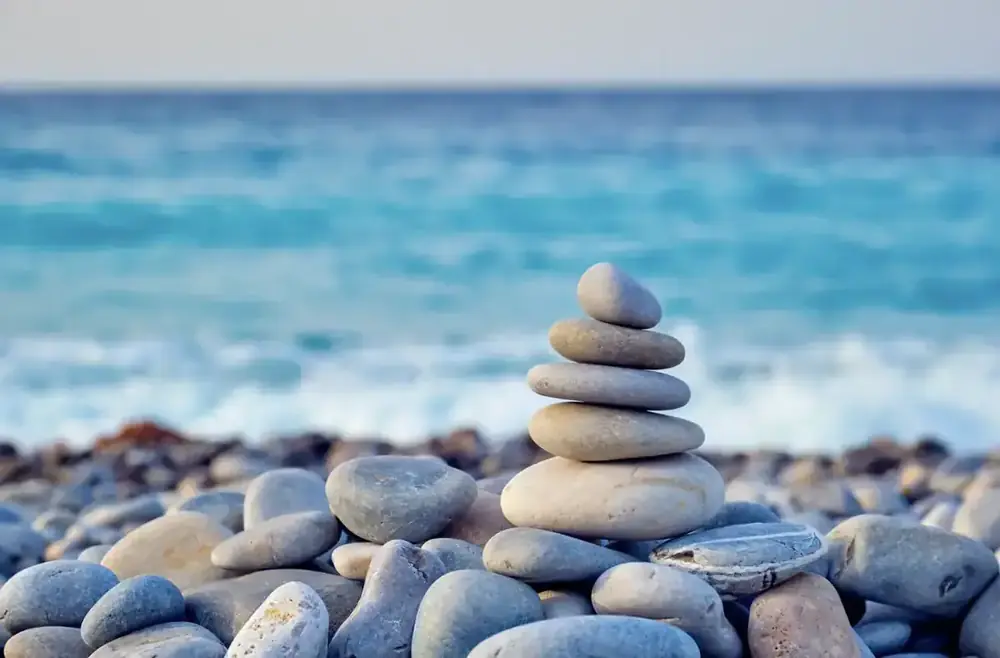
A stack of smooth balanced pebbles on a pebble beach, with the sea softly out of focus behind.
A young boy lying relaxed on a treatment couch with his eyes closed while his back is gently massaged.
A child resting on a white pillow with eyes closed while hands gently cradle the head.

About Zest Acupuncture

It began at home, with my own children.

Eighteen years ago, my three children arrived in quick succession, each with health challenges that doctors could not resolve. I was a scientist then, used to solving problems with logic, and logic was not enough. So I did what a mother does: I put my hands on them. Touch, Tui Na, acupressure and Chinese herbs helped them where other approaches had not, and I watched them grow well.

What began as a mother’s need became my profession. I earned my Swedish massage diploma in 2013 and went on to train in acupuncture, Tui Na and Chinese herbal medicine. Today I bring more than 13 years of professional touch and 12 years of Chinese medicine to every session. Read my full story.

Who I see

I treat both women and men, and I specialise in women’s health. Many of the women who come to me carry two things at once: a physical problem, such as pain, digestive or hormonal trouble, and an emotional load, such as anxiety, stress, trauma or a long-held burden. This is where Chinese medicine is strongest, because it treats body and emotions as one.

Why “Zest”

Zest is vitality, energy and gusto: the curiosity of a child who meets each day fully present. Like the zest of a lemon, it is the small, bright thing that lifts everything else. I chose the name because this is what I want my work to bring back: the spark, the joy for life, the movement out of overwhelm.

Zest is also about relationships. With yourself first, appreciating who you are with your talents and shortcomings. Between the physical, mental, emotional and spiritual parts of you, so they communicate openly. And with nature, the world and other people. When these connections are open, health comes more naturally.

Stress, the opposite of zest

Stress is tension, pressure and emotional strain. Some stress belongs to life and can even help. Trouble starts when you are pressed too hard, or too often, to manage something you have not yet had the chance to learn. That is when aches, ailments and health issues develop. The aim is not a life without stress, but a body and mind flexible enough to meet it.

The road to wellness

I think of healing as entering a space shaped by three things. Light: the clarity to notice, choose and see where you want to go. Space: room to breathe, mentally, emotionally and physically, so you can be relaxed and focused at once. Potential: the right conditions to build new habits and grow. Treatment helps create these conditions; you stay in charge of the road.

How a session is built

One treatment, several modalities.

I rarely use just one technique in isolation. A session usually blends two or more modalities — acupuncture with elements of Tui Na, cupping alongside acupuncture, myofascial release or visceral therapy paired with singing bowl sound therapy — chosen and combined depending on what your body needs that day and how much time we have.

There are two ways to work with me. If you simply need to rest and reset, a one-off De-Stress session of one or two hours needs no consultation. If you come with a health issue, we follow a structure: an initial consultation and first treatment, then a few follow-ups close together, usually weekly or every two weeks, so each change builds on the last instead of fading between visits. If you travel from further away, or want to cover more in one visit, Deep Work sessions of four or six hours are another option.

What happens in each session is described in Your sessions: what to expect, and the thinking behind my approach in How I work.

The modalities

What each therapy brings.

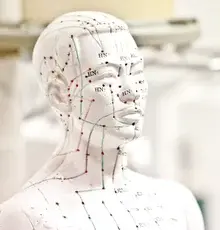
An acupuncture point chart on an anatomical model.

Acupuncture

Fine, sterile needles placed at specific points restore the flow of Qi and Blood, easing pain and calming an overstretched nervous system. Most people find it deeply relaxing, and many fall asleep during treatment. Within this, I also draw on electroacupuncture (a gentle current through the needles for stronger, more measurable stimulation), and refined modern systems including neoclassical and DNA acupuncture, for cases that need a more targeted approach.

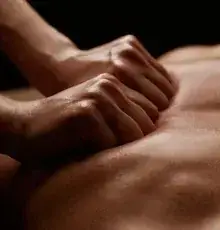
Hands massage a person's upper back during a bodywork treatment.

Tui Na medical massage

Deep tissue work, acupressure, assisted stretching and joint mobilisation, used to release tension, mobilise the joints and get blood and lymph moving again. Paediatric Tui Na is a gentler version of the same techniques, safe for babies and children, and often used for colic, sleep, digestion and learning or behavioural difficulties.

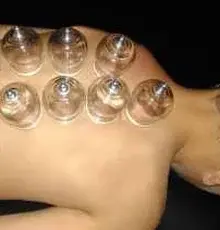
A row of cupping therapy glasses applied along someone's upper back and shoulder.

Cupping

Suction is used to lift the tissue beneath the skin, releasing stagnation and drawing fresh blood and lymph flow into the area. It reaches deeper than hands-on massage can, and is often combined with acupuncture or used as a deep-tissue treatment on its own.

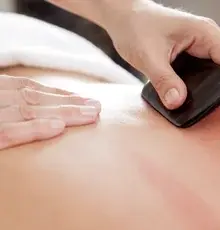
A gua sha tool being drawn across someone's upper back during treatment.

Gua sha

A smooth-edged tool is used to scrape lubricated skin, releasing blood stagnation and opening the pores beneath. A single treatment can bring immediate relief from pain, stiffness or a lingering cough, and it works particularly well for acute flare-ups.

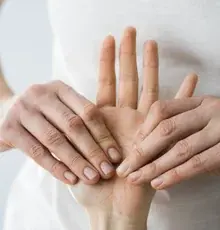
Two hands gently pressing into an open palm during treatment.

Visceral therapy & acupressure

Gentle, precise hands-on work with the organs and the connective tissue that surrounds them, used alongside acupuncture and Tui Na for digestive, hormonal and deeper structural patterns that need a slower, more sustained touch.

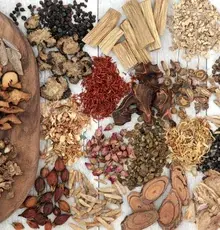
A selection of dried Chinese medicinal herbs and roots.

Chinese herbal medicine

Tailored herbal formulas correct the imbalances between organs, addressing both deficiency and excess and supporting what happens in clinic long after you have left the treatment table.

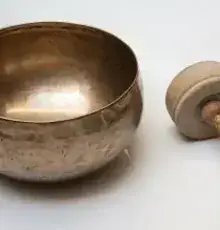
A brass singing bowl and wooden mallet used in sound therapy.

Sound therapy

Tibetan singing bowls create a resonance that settles the nervous system, easing tension and encouraging a state of deep rest. Particularly effective for anyone stressed, burned out or running on empty.

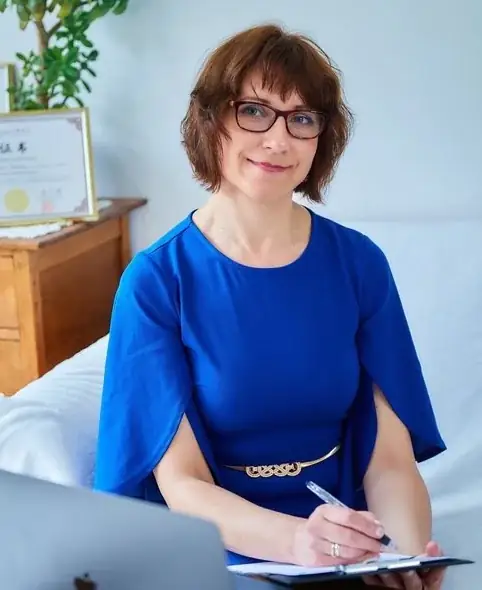
Ela Pękalska smiling in her clinic, in a blue dress, holding a pen and clipboard beside her laptop.

Online consultations

Full health and herbal consultations by video for anyone who cannot get to the clinic. I assess your tongue, pulse-equivalent signs, and photographs alongside your history to build a herbal or lifestyle strategy that I review and adjust as you progress.

A bowl of warming vegetable soup with carrot, cabbage and coriander, set on a wooden table.

Beyond the treatment table

Dietary & lifestyle advice.

Treatment in clinic is only part of the picture. Chinese medicine has always paid close attention to what you eat, how you sleep, how you move and how you recover between sessions, because these daily habits either support the change we are making or quietly undo it. Where it is useful, I will suggest simple, practical adjustments to diet, routine and self-care at home — nothing rigid or overwhelming, just enough to help your body keep doing the work after you have left the room.

Ready to feel the difference?

Tell me what’s going on, and I’ll shape a treatment around it.

Book initial consultation See sessions & prices
Book nowWhatsAppPrices