Part of a combined session, or on its own
Bodywork: Tui Na, Fascia & Visceral Therapy
Hands-on work that softens tense muscles, mobilises joints, and helps you feel like you’re actually living in your body again, not just carrying it around.
Part of a combined session, or on its own
Hands-on work that softens tense muscles, mobilises joints, and helps you feel like you’re actually living in your body again, not just carrying it around.
Bodywork, in general, is work with the physical body itself: acupressure, massage, myofascial release, stretching, muscle work, lymphatic drainage and alike. Where acupuncture speaks to the body through the needle, bodywork speaks through the hands, through pressure, stretch, rhythm and warmth.
The benefits reach further than loosened muscles. Hands-on work improves blood and lymph flow, bringing oxygen and nutrients into tissue that has been held tight for a long time and helping to clear what has pooled there. Joints regain range of movement, and muscles that have been guarding or bracing are able to let go and work properly again.
Just as importantly, bodywork works on the nervous system. Slow, sustained pressure and stretch are registered by receptors in the skin, muscle and fascia, which send signals that dampen pain and shift the body out of its stress response and towards rest and repair. Breathing deepens, the heart rate settles, and many people notice they sleep better in the days after a session.
There is also something quieter at work. Being touched with care and attention helps you feel your body from the inside again, where it is tight, where it is tired, where it is holding. That awareness is often the first step towards changing a pattern, rather than simply carrying it.
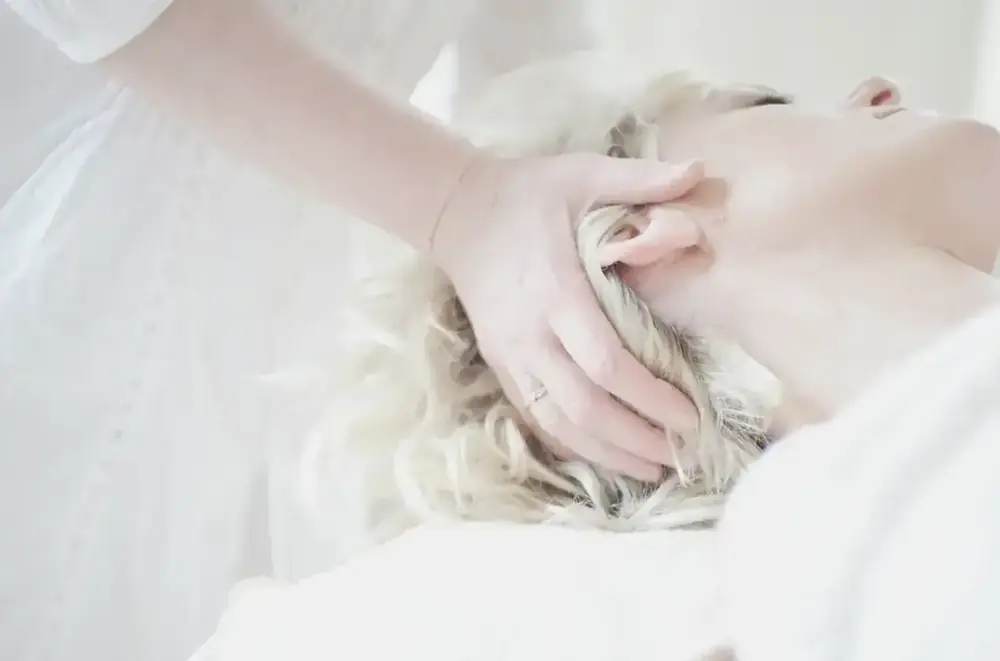
Tui Na is a Chinese medical massage combining deep tissue work, acupressure, assisted stretching and careful joint manipulation. It softens tense muscles, mobilises joints and tendons, and gets blood and lymph moving again, working on the nervous system as much as the muscles.
The name itself describes the work: tui means to push and na to grasp. Pushing, kneading, rolling, pressing and grasping techniques are applied along the channels and at specific acupoints, so the massage follows the same map that guides acupuncture. Some techniques are brisk and invigorating, others slow and deeply settling, and the choice depends on whether your body needs moving or calming on the day.
Fascia work addresses the connective tissue that wraps every muscle, organ and nerve in the body. Healthy fascia is supple and glides, allowing each layer of muscle to slide freely over the next. After injury, surgery, repetitive strain, long hours sitting or chronic stress, those layers can thicken, dry out and stick together, and movement and even proprioception (your sense of where your body is in space) can be affected.
Myofascial release uses slow, sustained pressure and stretch, held for long enough for the tissue to respond, rather than forcing it. As the fascia softens and rehydrates, the layers begin to glide again, restricted movement returns, and pain referred along a tight line of tissue often eases at a distance from where the work was done. Because fascia is densely supplied with sensory nerves, releasing it also changes the signals your body sends to the brain, which is part of why the effect can feel so much larger than the pressure applied.
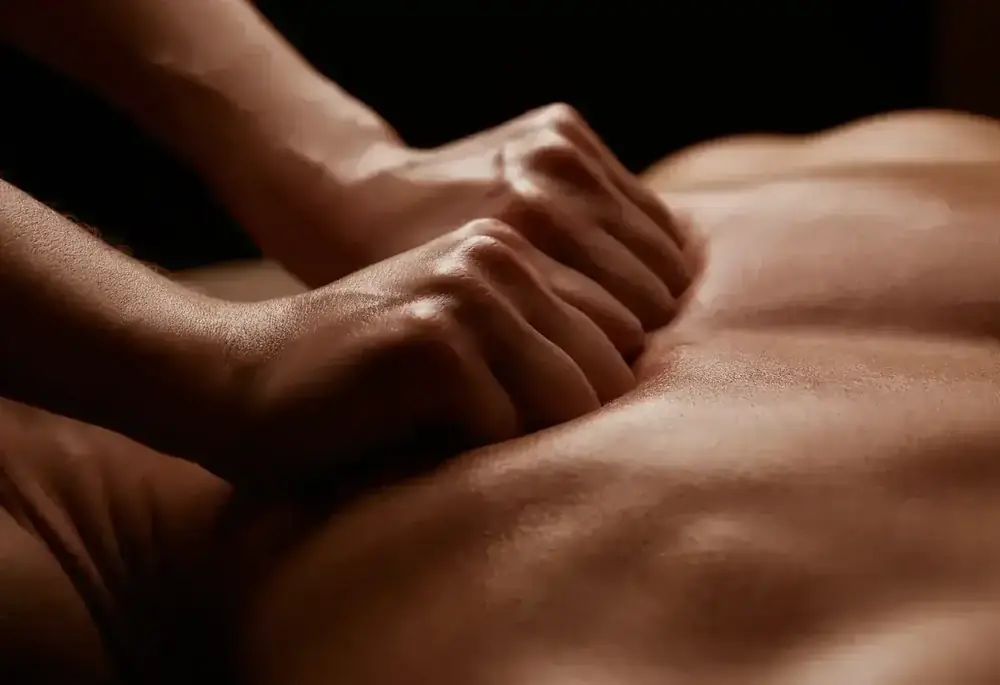
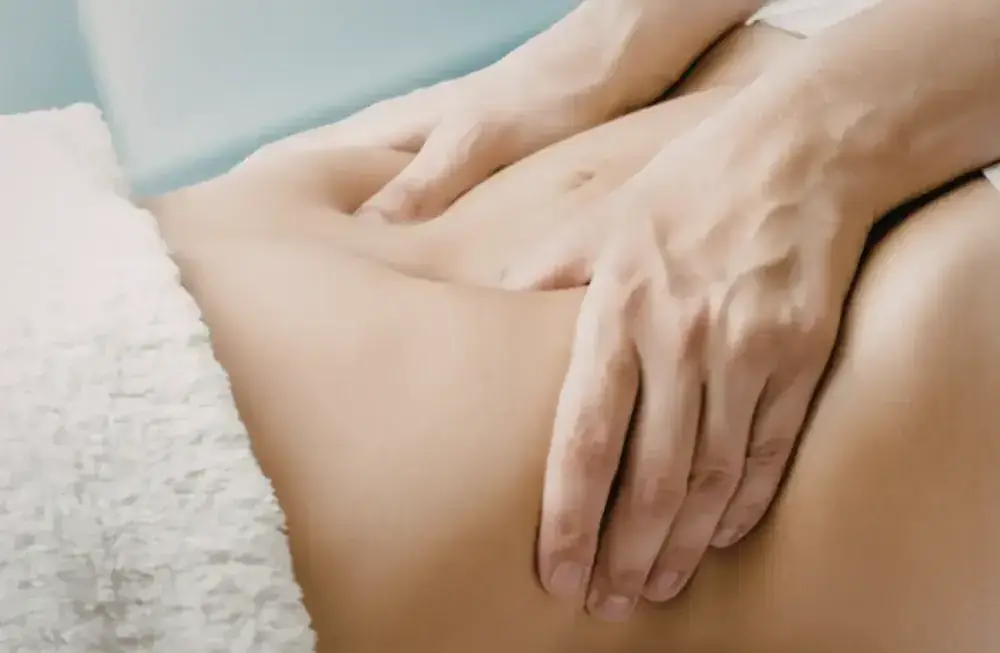
Visceral therapy is a gentle, hands-on approach to the abdomen and the internal organs beneath it, working with the fascia and connective tissue that surrounds the organs themselves, not just the muscles around them. Rather than deep pressure, it uses slow, precise contact to sense and ease restriction where the belly has become tight, tender or guarded.
It draws on two lineages at once. In Chinese medicine, abdominal work has long been part of Tui Na, easing tension held around the organ-related channels and softening the digestive holding that so often sits underneath stress. Alongside this, visceral therapy also draws on Western osteopathic tradition, most notably visceral manipulation, developed from the 1970s onward by the French osteopath Jean-Pierre Barral, which treats the natural mobility of each organ, and the connective tissue around it, as central to musculoskeletal and digestive health.
In practice, the two traditions overlap closely: both work from the understanding that a belly which cannot move freely limits breathing, digestion, posture and even how safe the nervous system feels. It’s often used alongside acupuncture and Tui Na when the abdomen itself needs more direct, specific attention, for digestive tension, scarring or adhesions from past surgery, or a body that has learned to hold and guard around the middle.
Who this tends to help
Bodywork includes every approach built on touch: pressing, squeezing, kneading, tapping, cupping and more. Each one addresses what needling can’t reach directly: the physical holding pattern itself.
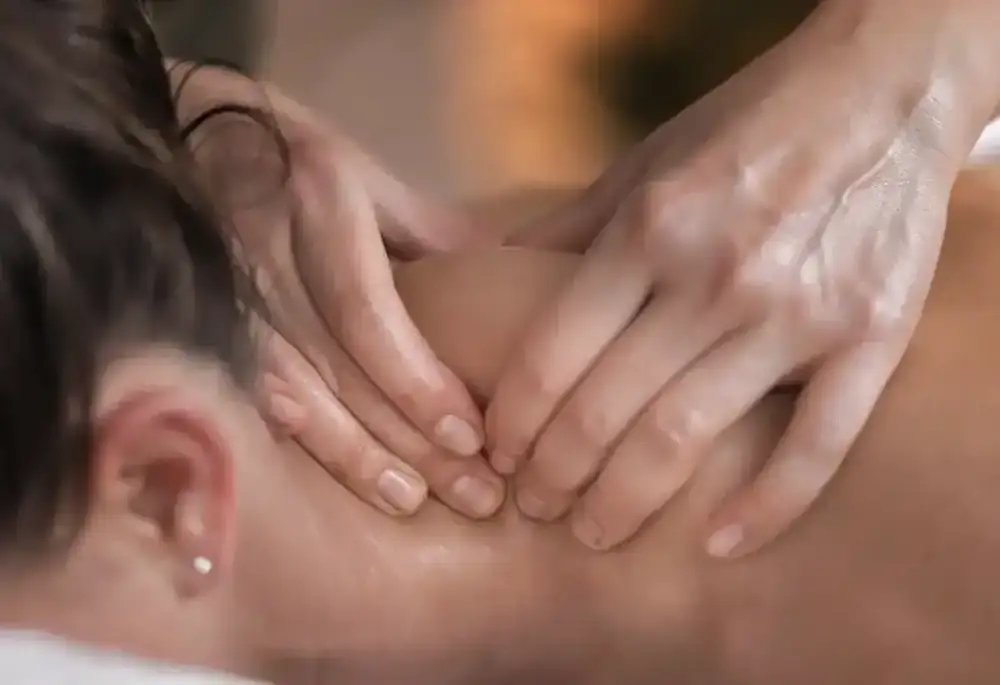
Any of these techniques can come before acupuncture, for example working on your back before you turn over for needling on the front. They can be used alongside it, such as a head and neck massage while the needles are in. Or they can come after, to break up adhesions locally, as cupping or gua sha does, or to rebalance the whole body.
Research summary
Tui Na and related manual therapies have a growing evidence base, particularly for musculoskeletal pain. A systematic review and meta-analysis found Tui Na produced significant short-term pain reduction for cervical radiculopathy, and other reviews report favourable effects on pain and function across musculoskeletal disorders and low back pain.
Soft, loose clothing you can move in. You’ll usually stay dressed and be covered with a cotton sheet, with focus on the area that needs it rather than a full-body massage.
It’s gentle rather than deep-pressure work, and most people find it more releasing than uncomfortable. You’re always involved in decisions about touch and pressure.
Myofascial release, acupressure and Tui Na all work by easing restricted tissue, improving local blood flow, and calming the nervous system's guarding response around an area of pain, rather than only working the painful spot itself. Pain often persists because tissue and the nervous system are still holding a protective pattern; releasing that pattern is usually what allows lasting relief rather than temporary ease.
Myofascial release uses slow, sustained pressure and stretch to ease restriction in the fascia. Acupressure applies firm, sustained pressure to the same points used in acupuncture, without needles. Tui Na is a broader Chinese medical massage system that combines both with joint mobilisation and assisted stretching. In a session, I draw on whichever of these the tissue actually needs, rather than sticking to just one.
Yes, often especially so. Pain that has settled in over months or years tends to become a holding pattern the body maintains even after the original injury has healed. Bodywork works directly with that pattern, which is why it can still bring change in pain that has been present for a long time.
Book a session and we will meet what is here, together.
Book initial consultation See sessions & prices