More than a needle in a cushion
Modalities that may be used in a session.
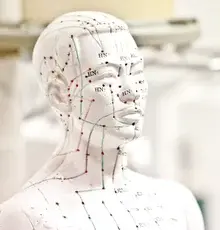
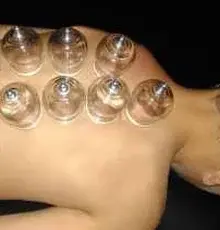
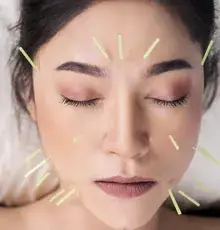
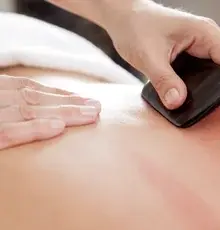
Acupuncture, Tui Na, fascia and visceral therapy, cupping, gua sha, moxibustion, sound and breathwork. Whatever your body calls for is included, at no extra charge.
More than a needle in a cushion
Acupuncture, Tui Na, fascia and visceral therapy, cupping, gua sha, moxibustion, sound and breathwork. Whatever your body calls for is included, at no extra charge.
Why sequence matters
All bodywork can come before, during or after acupuncture. Which comes first depends on what your body needs that day.
Sometimes we need to loosen the back first, with Tui Na, fascia work or cupping, and then you turn over so the needles can go in at the front. Softer tissue lets the needling work more precisely on what lies underneath, rather than fighting through surface tension to get there.
Bodywork can also happen while the needles are in. A gentle head and neck massage during acupuncture deepens the rest and helps the whole body let go.
At other times a short round of needling comes first, to modulate the fascia and calm the nervous system. Then gua sha, cupping, massage or lymphatic drainage can break up adhesions and move fluid while the tissue is soft and receptive.
Sound therapy or breathwork most often closes a session, giving the nervous system a chance to settle into what’s shifted, rather than leaving you to walk straight back out into the world braced and alert.
None of this is fixed. The order depends on what is needed at hand, and the pattern in front of me on the day decides it. But the order is never an afterthought: it is part of what makes combining modalities more powerful than any single one alone.
Which tool, for what
You do not need to know any of this before you come. I choose from what I see and feel on the day, and I explain as I go. But if you like to understand the thinking, this is roughly how it works.
Acupuncture and electro-acupuncture work on the pain signal and the points along the channel. Tui Na and myofascial release open tissue that has tightened around the pain. Cupping lifts and loosens where the muscle has gone hard, and gua sha moves stagnation near the surface.
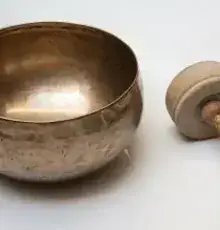
Acupuncture settles the nervous system. Slow, rhythmic bodywork tells the body it is safe to let go. Sound and breathwork close the session, so the calm has somewhere to land before you walk back out.
Visceral therapy, gentle work on the organs and the tissue around them, is often where the biggest shifts happen for IBS and bloating. Acupuncture works on the gut and brain together, and herbs carry the treatment on between sessions.
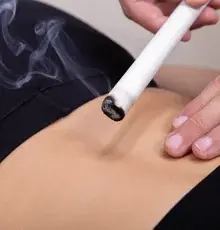
Moxibustion brings warmth into points that need it. Chinese herbs and nutrition rebuild from the inside, and the pace of the whole session slows down, because a depleted body needs less input, not more.
Explore each modality
No. I choose based on your symptoms and on what I find when I assess you, and I explain what I am doing and why. If there is something you would rather avoid, or something you would love to include, just tell me.
No. Sessions are priced by time, and whatever your body needs within that time is included.
Yes. A one hour De-Stress session can be given to a single therapy such as cupping, gua sha, visceral therapy, acupressure with gentle massage, or sound.
Book a session and we will meet what is here, together, with whatever combination of modalities it needs.
Book initial consultation See sessions & prices