A modality we combine into your session

Breathwork for women in Whaley Bridge, near Stockport and the High Peak

Slow, deliberate breathing, one of the simplest and best-evidenced ways to bring an overactive nervous system back down to earth — and the one tool you can use anywhere, anytime.

What breathwork is

Breathwork uses slow, diaphragmatic breathing patterns to shift the nervous system out of fight-or-flight and into a calmer, more regulated state. It’s woven into sessions where it helps, and taught simply enough to use at home, at your desk, or in the middle of a hard moment.

A close-up of a hand resting in a meditation mudra, seated cross-legged in soft light.

Who this tends to help

  • Anxiety, panic or a mind that races faster than you can keep up with
  • Wanting a practical tool you can use yourself, not just in the treatment room
  • Shallow, chest-based breathing that never quite feels like enough air
  • Sleep that’s hard to fall or stay in
  • Pain that worsens with stress and tension
  • A body that feels permanently braced, even when nothing is actively wrong

Why I use it

Breath is the one part of the nervous system we can reach directly, and it responds to far more than instruction. Throughout a session I speak slowly and calmly, and that pace is deliberate: nervous systems pick up cues from one another, and a steady, unhurried voice invites your breathing to slow and deepen with it, often before you notice it happening.

Breathing techniques may be discussed or guided during treatment, depending on what your body needs that day. The main aim is to move you into the parasympathetic state, the rest-and-repair side of the nervous system, where muscles release, digestion switches on and deep relaxation becomes possible. A longer, softer out-breath is one of the most reliable ways to get there.

Sometimes breathwork is used, in particular ways, to release emotional tension. Feelings that have not had anywhere to go are often held in the breath itself, in a diaphragm that stays tight or a chest that never fully lets go. A few fuller breaths, a sigh or a gentle sound can allow some of that holding to surface and move through, always at a pace that feels safe to you.

I may also guide your breath during myofascial release. While I hold a slow, sustained pressure, I will ask you to breathe into the area; with each out-breath the tissue softens a little further under my hands. Because the diaphragm is connected through fascia to the abdomen, back, ribs and pelvic floor, breathing into a restriction helps release it from within, and keeps the nervous system feeling safe enough that the muscles let go rather than guard.

A few minutes of guided breath is often used at the start of a session, to settle you before hands-on work begins, or at the end, to help what’s shifted settle in. It’s also one of the simple, realistic suggestions given to take home and use between visits.
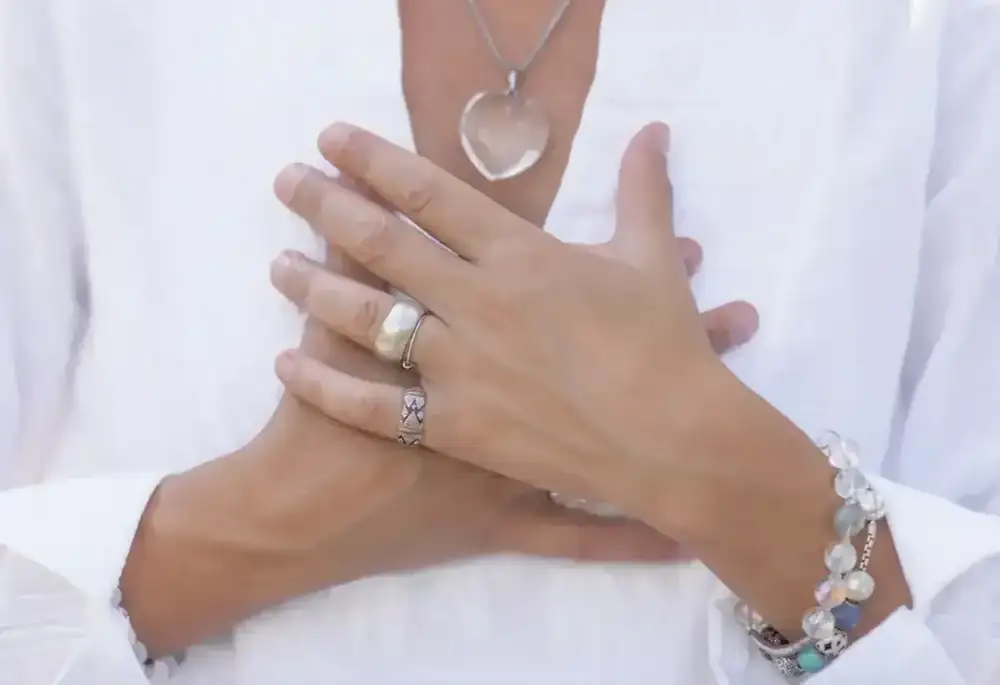

A woman rests both hands over her chest, eyes closed, in a still moment.

Research summary

What the evidence says

Breathwork has strong, consistent evidence for calming the nervous system. A meta-analysis of randomised controlled trials found breathwork meaningfully reduced self-reported stress, and systematic reviews of slow, diaphragmatic breathing report improved vagal tone, reduced cortisol, and reductions in anxiety, often after even a single session.

Common questions

Do I need any experience with breathwork?›

No. Techniques are kept simple and are taught in the room, so you can follow along and take them home to practise without any prior experience.

How quickly does breathwork help?›

Research suggests even a single session of slow, deep breathing can measurably reduce anxiety and improve nervous system regulation, though the real benefit builds with regular practice.

Ready to begin?

Book a session and we will meet what is here, together.

Book initial consultation See sessions & prices
Book nowWhatsAppPrices